
Essential Products For Professional-Quality Concrete Work
Learn about the key supplies that help achieve smooth, durable, and flawless concrete installations every time.
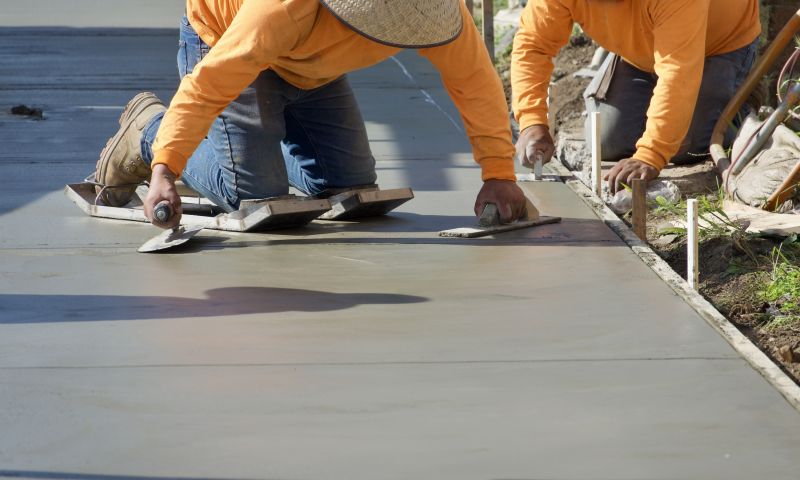 Concrete installations are fundamental to many construction, landscaping, and DIY projects in Huntington Beach, CA. Whether you're pouring a new driveway, creating a patio, or installing a foundation, selecting the right products ensures a durable and professional result. From surface preparation to finishing touches, a variety of tools and materials are available to meet different project requirements. Proper planning and high-quality supplies can help achieve smooth finishes, strong joints, and long-lasting structures.
Top Overall Option
High-Performance Concrete Mixer
A high-performance concrete mixer is an essential tool for mixing consistent batches of concrete for various installation projects. Designed for durability and ease of use, it helps achieve uniform mixing, which is critical for structural integrity and surface finish. Suitable for both professional contractors and serious DIY enthusiasts, this type of mixer can handle different quantities and types of concrete, making it a versatile addition to any project site.
Types of Products For Concrete Installations
Concrete Mixers
Devices used to combine cement, aggregates, and water to produce concrete of various consistencies.
Formwork and Molds
Structures used to shape and contain poured concrete during setting, available in various sizes and materials.
Reinforcement Materials
Steel rebar, wire mesh, and fiber additives that enhance concrete strength and durability.
Surface Finishing Tools
Trowels, floats, and edgers used to smooth and texture concrete surfaces.
Curing Compounds and Sealants
Products applied post-pour to retain moisture and protect the concrete during curing.
Concrete Vibrators
Tools that eliminate air pockets within poured concrete, ensuring uniform density.
Expansion Joints
Materials that allow for movement in concrete slabs, preventing cracking.
Concrete Cutting and Drilling Equipment
Tools for precise cutting, scoring, and drilling into hardened concrete.
Concrete Repair Products
Patches, overlays, and bonding agents used to restore and reinforce existing concrete surfaces.
Surface Preparation Tools
Grinders, scarifiers, and shot blasters to prepare surfaces for new concrete or overlays.
Popular Choices
Compact mixers suitable for small to medium projects, offering convenience and mobility.
Accessories that hold reinforcement materials in place during pouring.
Hand tools for smoothing and finishing concrete surfaces.
Protective coverings that help retain moisture during curing.
Tools used to create clean, rounded edges on slabs and walkways.
Devices that cut control joints into concrete to manage cracking.
Products that provide a protective coating to concrete surfaces.
Machines that compact concrete efficiently in large pours.
Synthetic fibers added to concrete mix to improve crack resistance.
Equipment that facilitates the transfer of concrete from mixer to pour site.
Chemicals applied to molds to prevent concrete from sticking.
Materials used to fill gaps and allow for movement in slabs.
Tools for leveling and polishing concrete surfaces.
Materials for protecting concrete from water infiltration.
Pre-fabricated forms for creating clean edges on concrete slabs.
Understanding the different stages of concrete installation is key. Initial steps often involve preparing the site with proper grading and formwork. Once the concrete is poured, tools such as trowels, screeds, and finishing floats are used to achieve the desired surface texture. For reinforcement, steel rebar or wire mesh may be incorporated to enhance strength. After setting, sealants and curing compounds help protect the surface and ensure proper curing, which is vital for structural integrity.
Choosing the right products depends on the scope of your project, the type of concrete used, and specific site conditions. Heavy-duty equipment like concrete mixers can streamline larger jobs, while hand tools are suitable for smaller or detailed work. Additionally, safety gear including gloves, goggles, and masks should not be overlooked to ensure a safe working environment. Investing in quality products can lead to better results, reduced labor time, and increased longevity of the finished installation.
Key Buying Considerations
- Project size and scope to determine the appropriate quantity and type of products needed.
- Type of concrete being used and whether additives or specific reinforcement materials are required.
- Site conditions such as weather, soil stability, and accessibility that may influence product choice.
- Compatibility of tools and materials with each other for seamless workflow.
- Ease of use and ergonomic design of tools, especially for DIY projects or limited labor resources.
- Durability and quality of materials to ensure long-lasting results and safety.
- Budget constraints balanced with the quality and features of the products.
- Availability of replacement parts or accessories for ongoing maintenance or future projects.
- Safety features and recommended protective gear when handling heavy equipment and chemicals.
- Environmental conditions like humidity and temperature that can affect curing times and product performance.
- Local regulations or codes that may specify certain materials or methods.
- Storage and transportation considerations for large or bulky items.
- Brand reputation and reviews to gauge reliability and performance.
- Compatibility with existing tools or equipment on site.
- Ease of cleaning and maintenance of tools post-project.